
Why Do Diesel Engines Last Longer Than Gasoline Engines?
Diesels are built heavier, turn slower and can be rebuilt in the frame. Here is the engineering, the real mileage figures, where the advantage disappears, and how fuel quality and maintenance keep it.
Diesel engines last longer because they are built for higher cylinder pressure and run slower. Compression ignition needs roughly 16–18:1 compression against 9–11:1 for gasoline, so blocks, crankshafts and bearings are heavier. Heavy-duty diesels make peak torque near 1,000 rpm, and many can be rebuilt in the frame. Dirty fuel, long idling and skipped maintenance erase that edge.
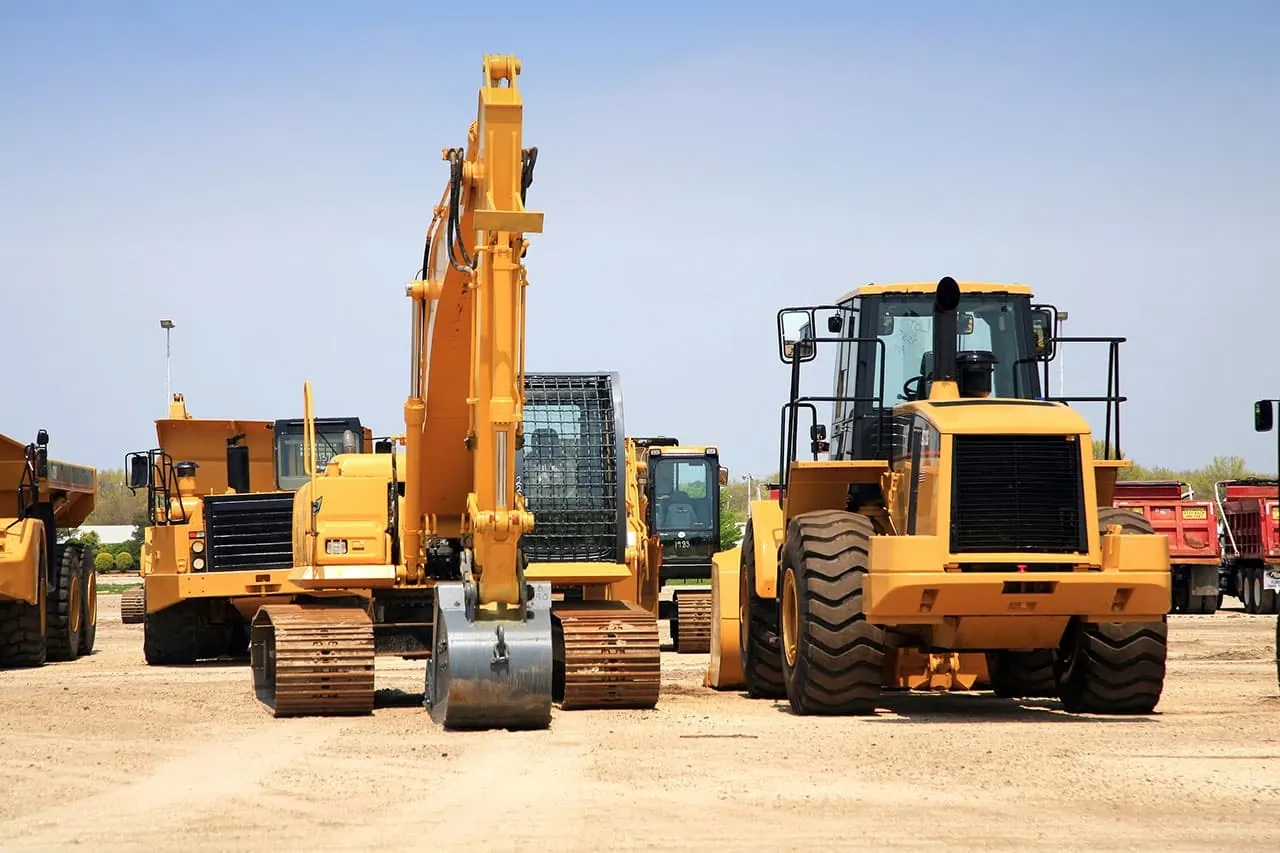
Why diesel engines last longer: five design reasons
A gasoline engine mixes fuel and air, then fires it with a spark. A diesel squeezes air alone until it is hot enough to ignite fuel injected into it. That one difference drives almost everything else about how a diesel is built, and why it outlives a gas engine doing the same work.
Built heavier, because it has to be
Light-duty diesels typically run 16–18:1 compression against 9–11:1 for gasoline engines (National Academies). The engine structure has to carry that and the higher firing pressure, which the National Academies says pushes makers to cast iron or steel instead of aluminum. PACCAR casts the MX-13 block and head in compacted graphite iron, which it says is 75% stronger and 20% lighter than gray iron, and fracture-splits its main bearing caps and connecting rods for strength. The bare engine weighs 2,600 lb dry.
Fewer revolutions for the same work
A heavy-duty truck diesel makes peak torque around 900–1,100 rpm and is governed at 2,100–2,200 rpm. Volvo tells buyers never to spec a D13 for a cruise speed above 1,550 rpm. A gasoline truck engine makes its torque at roughly 4,000 rpm. Fewer turns per mile means fewer firing cycles and less sliding distance on rings, liners and bearings over the same route.
No spark, no throttle
There are no spark plugs, coils or ignition timing to wear out. Diesels also control power with the amount of fuel injected rather than a throttle plate, which the National Academies notes avoids the pumping losses of a throttled gas engine.
Designed for a second life
Many heavy-duty diesels use replaceable cylinder liners. An in-frame overhaul replaces pistons, rings, liners and bearings without pulling the engine from the truck or machine, provided the block and crankshaft are sound.
Big oil sumps, fuel-lubricated injection
The MX-13 holds 42 U.S. quarts of oil, which gives soot and wear particles a lot of oil to spread into. Diesel fuel itself lubricates the injection pump and injectors (ASTM D975), which is why fuel quality matters so much to the fuel system. More on that below.
Long, steady runs
Line-haul trucks and generators run at steady speed and load for hours. That is the easiest life an engine can have. Cold starts, short trips and constant light load are the hardest, and they hurt diesels too (see the caveats).
Diesel vs gas engine speed: where each makes its power
Published ratings show the gap clearly. The engines below differ in size, so compare where the torque arrives, not how much.
| Engine | Peak torque | Speed limits |
|---|---|---|
| PACCAR MX-13, 12.9 L diesel (heavy truck) | 1,450–1,850 lb-ft at 900–1,000 rpm | Governed at 2,200 rpm |
| Volvo D13 diesel (heavy truck) | 1,450–1,850 lb-ft at 950–1,100 rpm | Governed at 2,100 rpm; recommended cruise 1,250–1,500 rpm |
| Ford 6.7 L Power Stroke diesel (2020 Super Duty) | 1,050 lb-ft at 1,600 rpm | 475 hp at 2,600 rpm |
| Ford 7.3 L gas V8 (2020 Super Duty) | 475 lb-ft at 4,000 rpm | 430 hp at 5,500 rpm |
| Cat C18 generator set, 60 Hz | n/a (fixed speed) | Runs at a constant 1,800 rpm |
Sources: PACCAR MX engine brochure (2020); Volvo D13 engine brochure; TFLtruck and The Car Guide on 2020 Super Duty ratings; Cleveland Brothers Cat C18 60 Hz listing.
Why the diesel makes its torque low. High compression and high firing pressure push hard on every piston, turbochargers pack in more air, and long strokes give the crankshaft more leverage (the MX-13 has a 130 mm bore and a 162 mm stroke). So the engine can pull a load at a speed where a gas engine is barely working, and it doesn't need to rev to do it.
The numbersHow many miles does a diesel engine last?
Heavy-duty engine makers publish durability as a B-life. A B10 is the mileage 90% of engines should reach before a major overhaul; a B50 is the mileage half should reach (Trucking Info). These are design ratings from the manufacturer for a stated duty, not guarantees.
| Engine | Published life figure | What it means |
|---|---|---|
| PACCAR MX-13 and MX-11 | B10: 1,000,000 miles | 90% should reach 1 million miles without a major overhaul, in linehaul applications (PACCAR, TT News 2019) |
| Detroit DD15 and DD16 | B50: 1,200,000 miles | Half should reach 1.2 million miles before a rebuild (Detroit via Trucking Info, 2011; earlier engine generations) |
| Detroit DD13 | B50: 1,000,000 miles | Same source and date as above |
| Modern gasoline cars | 200,000+ miles | Consumer Reports: with service on the maker’s schedule, a car from a reliability-focused brand “should be capable of 200,000 miles or more” (updated Jan. 2026) |
A B10 is a statistical engine rating for a heavy truck in steady line-haul work. Consumer Reports’ figure is a whole-car benchmark. We found no published B10 for a gasoline engine, or for light-duty pickup diesels, so there is no fair one-number comparison. What the figures do show: a heavy-duty diesel is engineered to cover several times the mileage of a car engine and then be rebuilt.
Light-duty vs heavy-duty diesels. A pickup diesel shares the principle but not the duty. It revs higher (the 2020 Power Stroke makes peak power at 2,600 rpm, above the 2,100–2,200 rpm governed limit of the heavy truck engines above), and pickups do more short trips and idling, which is hard on modern diesel aftertreatment. In 2015 the National Academies put the average price premium of a light-duty diesel vehicle over its gasoline equivalent at $4,147. Whether that pays back depends on mileage and towing, not on engine life alone.
Myth checkDoes diesel fuel lubricate the engine?
Partly true, and often overstated. ASTM D975, the U.S. diesel specification, says diesel “functions as a lubricant in most components of fuel injection equipment such as pumps and injectors.” That is the fuel system, not the crankshaft or the cylinders. Bearings, rings and liners are lubricated by engine oil in a diesel just as in a gas engine.
- ULSD has less natural lubricity. D975 notes that the processing needed to cut sulfur or aromatics is what has caused lubricity problems, so ultra-low sulfur diesel is treated to meet the limit (how that happens is in how diesel is made).
- The limit: D975 caps the HFRR wear scar at 520 microns at 60°C. Its appendix adds that experts consider fuels above 600 microns may not prevent excessive wear, and fuels below 450 microns should be sufficient in all cases.
- What lowers lubricity in the field: fuel thinner than the engine is designed for (D975 names low viscosity as the other cause) and water, which lubricates poorly. Use the grade the engine maker specifies; see diesel fuel grades.
Where the diesel advantage shrinks
DPF, SCR, DEF and EGR
To meet the 2007 particulate limit, every U.S. heavy-duty engine maker adopted diesel particulate filters. For the 2010 NOx limit, most added urea SCR, which runs on DEF (DieselNet). The National Academies calls aftertreatment expensive and notes that DEF adds to operating cost. The engine block may outlast the truck; sensors, injectors, filters and catalysts are where the repair bills come from.
Short trips, idling and PTO work
A particulate filter cleans itself with heat. GM’s upfitter bulletin for its diesel pickups warns that slow-speed operation, stop-and-go driving, extended idling or stationary PTO work can keep that self-cleaning from starting or finishing. Generators run at light load have their own version, wet stacking.
Precision parts cost more
Caterpillar says modern injection systems run above 30,000 psi with internal clearances under 5 microns. Parts made to that tolerance are expensive to replace, and a single tank of contaminated fuel can reach all of them at once.
Diesel isn’t cheap to run
Diesel often costs more per gallon than gasoline, and DEF adds a second fluid to buy. Engine life is one line of the lifecycle cost, not the whole of it. Why the per-gallon gap exists is covered in why diesel costs more than gasoline.
What shortens diesel engine life, and how to prevent it
The bottom end of a heavy diesel is rarely what fails first. The fuel system, the aftertreatment and the oil are. Most of what kills them comes in with the fuel or from how the engine is run.
| Threat | What it does | How to prevent it |
|---|---|---|
| Water in fuel | Caterpillar: cavitation, corrosion of fuel system parts, and a home for microbes. D975 allows only 0.05% water and sediment by volume. | Keep tanks full, drain water from tanks and separators, test stored fuel. Water in diesel |
| Dirt and particles | Particles as small as 4 microns can score pumps, injectors and nozzles (Caterpillar). | Cat recommends ISO 18/16/13 fuel cleanliness, 4-micron secondary filters, and filtering fuel to 20 microns or better at every transfer. Particulates |
| Microbes (“diesel bug”) | Sludge and biofilm plug filters fast; Caterpillar calls very rapid filter plugging the best sign. | Keep water out, sample tank bottoms, polish or clean when tests say so. Polishing vs tank cleaning |
| Old stored fuel | Fuel oxidizes into gums and sediment that load filters, a common problem in standby and seasonal tanks. | Turn fuel over, test it, and treat or replace it before it causes trouble. How long diesel lasts |
| Bad DEF | A Doosan Portable Power bulletin warns that evaporation concentrates DEF and contamination or condensation dilutes it, either of which can damage aftertreatment; chemical contamination can’t be removed. | Buy ISO 22241 DEF, store it sealed and out of heat, replace suspect fluid. What DEF does · DEF storage |
| Gelled fuel | Wax plugs filters and starves the injection system in the cold. | Run winter fuel and anti-gel before the cold arrives. Preventing gelling |
| Long idling | DOE: about 0.8 gal/hr for a heavy truck, faster engine wear, and hour-based intervals come due sooner. | Track idle hours; use heaters or APUs instead of all-night idling. |
| Wrong fuel or grade | Engines built since 2007 are designed around 15 ppm ULSD; higher-sulfur fuel or the wrong grade can harm aftertreatment and lubricity. | Use the grade and spec the engine maker lists. Fuel grades |
| Stretched oil and filter changes | Soot, fuel dilution and wear metals build up in the oil. | Set intervals by duty cycle, not by habit (see below), and use oil analysis to confirm. |
Caterpillar Machine Fluids Recommendations SEBU6250-21; ASTM D975-24; U.S. DOE idle reduction fact sheet; Doosan Portable Power service news PPSN 02-2015-002.
Duty cycle sets the maintenance clock
PACCAR’s own schedule for the MX engines shows how much the way an engine is used matters. The same engine gets oil, oil filter and fuel filter changes at:
| Duty (PACCAR MX) | Oil & filter | Fuel filter |
|---|---|---|
| Line haul, under 20% idle | 75,000 mi | 75,000 mi |
| Line haul, over 20% idle | 50,000 mi | 50,000 mi |
| Severe / vocational | 30,000 mi | 30,000 mi |
Idle time alone cuts the interval by a third. A dump truck or a yard tractor on the line-haul schedule is being under-maintained, even if the paperwork looks fine.
For fleetsThe fleet takeaway: protect the life you paid for
You pay for diesel durability up front, in the engine price and in aftertreatment. You only collect it if the engine reaches overhaul age on its original fuel system. A short checklist:
- Buy clean fuel and keep it clean. Ask your supplier how fuel is filtered and how tanks are kept dry. Filter at each transfer, as Caterpillar recommends.
- Test stored fuel on a schedule. Site tanks, generator tanks and seasonal equipment tanks hold fuel long enough for water and microbes to build up. A lab test tells you whether it needs polishing, cleaning or a pump-out.
- Match intervals to duty. Use the maker’s severe or vocational schedule for vocational trucks and equipment. Oil analysis catches fuel dilution and wear metals early.
- Measure idle time. It costs fuel, wear and DPF cleaning, and it moves service intervals.
- Watch fuel burn by unit. A truck that suddenly burns more than its siblings is often telling you about injectors, an air leak or a DPF problem.
- Count lifecycle cost, not just pump price. Fuel, driver time at the pump and maintenance add up. Run your own numbers in the fleet fueling cost calculator.
Clean diesel delivered, logged and tested
FuelGo delivers clear on-road diesel for trucks, dyed off-road diesel for equipment and generators, R99 renewable diesel, gasoline and ISO 22241 DEF nationwide. With mobile fleet fueling, we wet-hose your trucks and equipment in the yard and log every gallon by vehicle, time and location, so the unit burning more than it should stands out. Site tanks and generators get 20 to 4,400 gallons per drop, and transport loads up to 7,500 gallons.
For fuel that has been sitting, lab fuel testing checks it for water, sludge, bacteria and more, and fuel polishing, tank cleaning and fuel pump-out deal with what it finds. Dispatch runs 24/7/365. Get a quote or call 800-720-4546. A dispatcher replies within the hour.
Common questionsWhy diesel engines last longer: FAQ
Why do diesel engines last longer than gasoline engines?
How many miles does a diesel engine last?
Why do diesel engines have more torque?
Do diesel engines need less maintenance?
Are modern diesels less reliable because of emissions systems?
Does fuel quality affect diesel engine life?
Is it bad to idle a diesel engine?
Do diesel engines last longer in trucks or generators?
Sources: National Academies, Cost, Effectiveness, and Deployment of Fuel Economy Technologies for Light-Duty Vehicles (2015), ch. 3: compression-ignition engines · PACCAR MX engine brochure (2020): B10, CGI block, ratings, maintenance intervals · Transport Topics, Paccar reaches milestone with MX engine (2019) · Trucking Info, All you need to know about B numbers (2011) · Volvo Trucks, D13 engine brochure · TFLtruck, 2020 Super Duty 6.7 L ratings · The Car Guide, 2020 Super Duty 7.3 L gas ratings · Cleveland Brothers (Cat dealer), C18 60 Hz generator set · Consumer Reports, reasonable life span for a modern car · IPD, what is an in-frame rebuild kit · ASTM D975-24, Table 1 and Appendix X4 (NCWM copy) · DieselNet, heavy-duty diesel engines with aftertreatment · GM Upfitter UI Bulletin 142b, DPF manual regeneration · Caterpillar SEBU6250-21, Machine Fluids Recommendations · Doosan Portable Power, Diesel Exhaust Fluid explained · U.S. DOE, idle reduction for heavy-duty trucks · U.S. EPA, diesel fuel standards rulemakings