
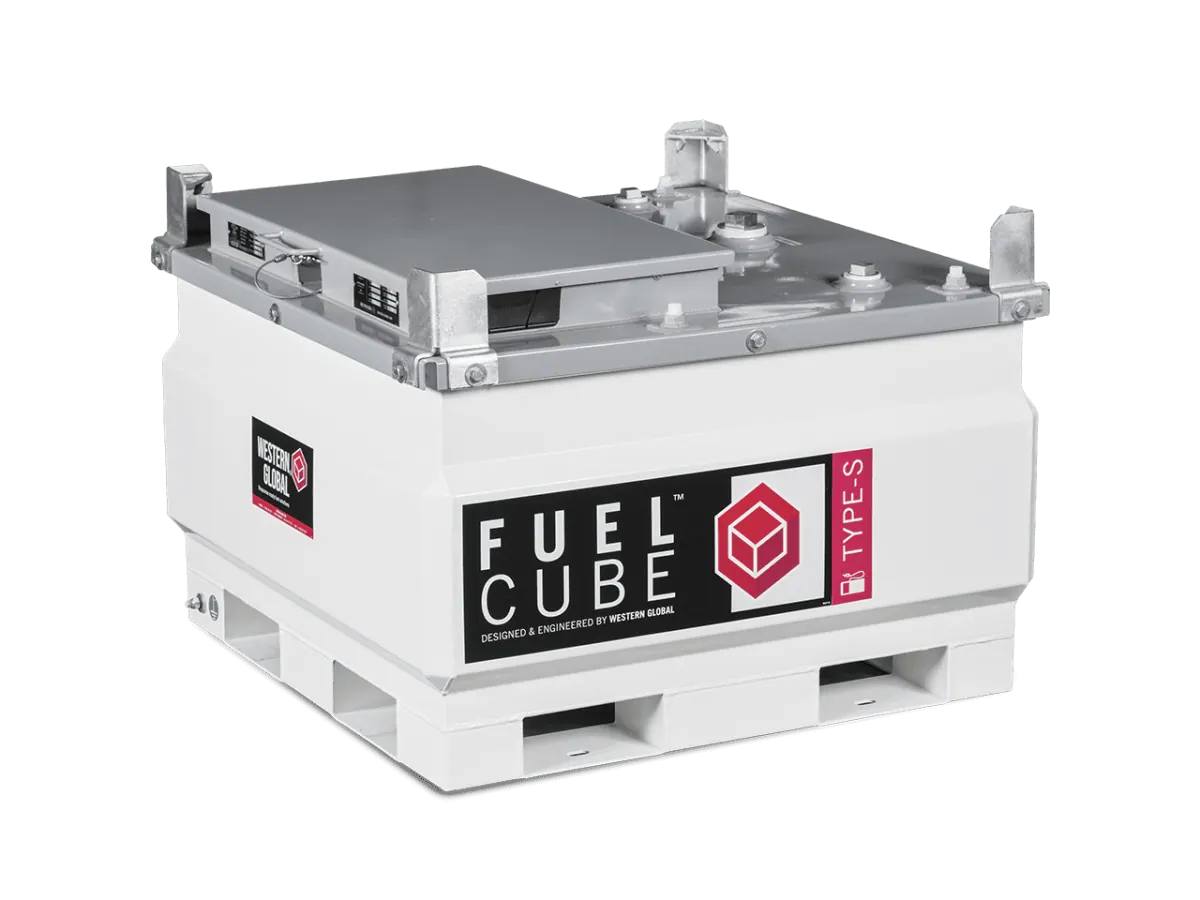
 119 gallon
119 Gallon Portable Fuel Tank
The smallest unit we rent. Diesel or gasoline, in a pickup bed or a tight equipment yard.
- Diesel or gasoline
- Double-walled
- Forkliftable
- Lockable pump cabinet
Double-walled diesel, gasoline and DEF storage delivered to your site, plumbed, pumped and filled. Rental and refills on one invoice — because the tank is only useful when there's fuel in it.
Two quick questions, then your details.
What do you need stored?
Select all that apply — we can put diesel and DEF on the same site visit.
Pick at least one — or choose “Not sure”.
Tank size, how long, and where?
If you're unsure on size, put an estimate — we'll advise.
Add a tank size plus street, city and ZIP.
Where should we send the quote?
Need it this week? Call 800-720-4546 — dispatch is staffed 24/7
Every unit below is in our rental fleet and rated for diesel or gasoline — DEF has its own tanks in the fourth tab. Pick a category, swipe through the sizes, and tell us which one — or describe the job and we'll specify it for you.
Portable diesel and gasoline fuel tanks. Double-walled, forkliftable and lockable — the workhorse for jobsites with no permanent storage. They move as the work moves, sit inside their own containment, and fit through gates a tanker can't.
119 gallonThe smallest unit we rent. Diesel or gasoline, in a pickup bed or a tight equipment yard.
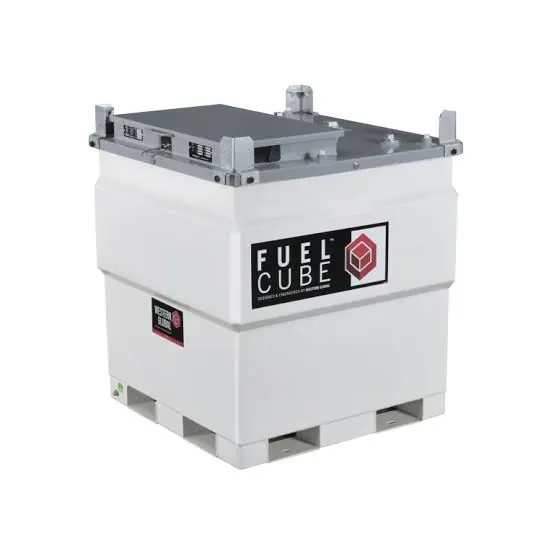 250 gallon
Small crews and single machines. Common on interior fit-outs and short jobs.
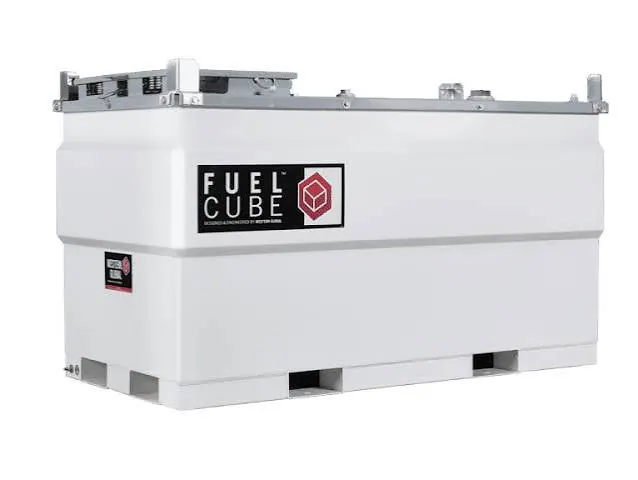 500 gallon
Our most-requested portable size. About a week of diesel for a small equipment fleet.
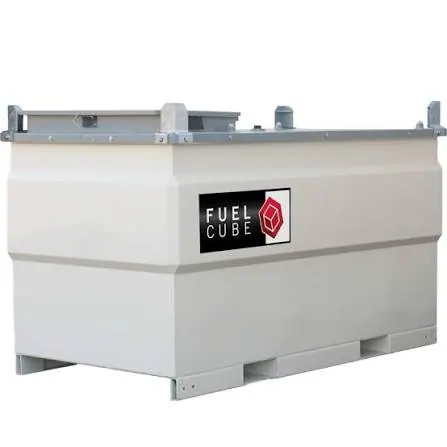 800 gallon
Steps up the drop size without needing a permanent installation.
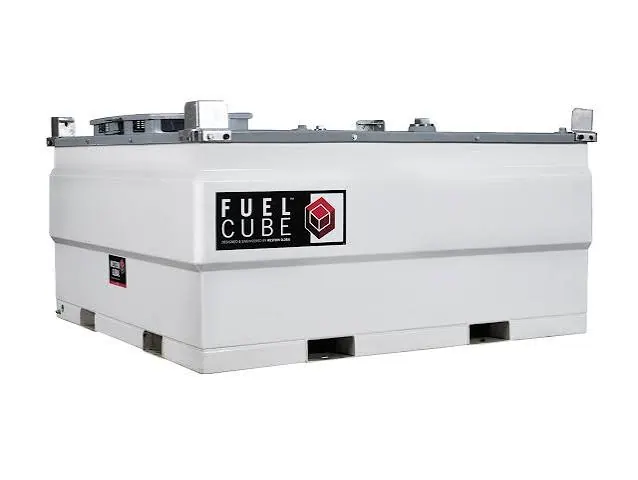 1,000 gallon
Sweet spot for a mid-size site — fewer deliveries, still relocatable.
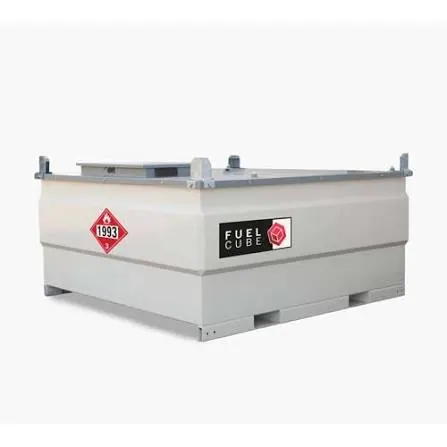 1,800 gallon
Our largest portable unit. Bulk volume that still moves with a forklift.
Skid and bulk fuel tanks. Static double-wall diesel and gasoline storage for sites that will be there a while — from a 550-gallon skid up to 17,000 gallons. Delivered on a skid or containerised, set level, and filled on arrival.
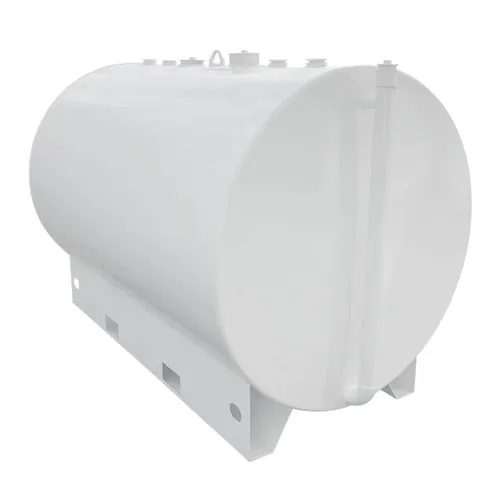 550 gallon
Compact skid unit — the smallest static tank we place, ideal for a single generator.
 1,500 gallon
Long-running jobs and standby power where weekly fills are the target.
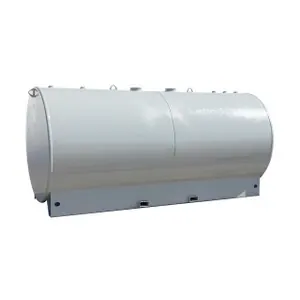 2,000 gallon
Bulk storage without going into permanent AST territory.
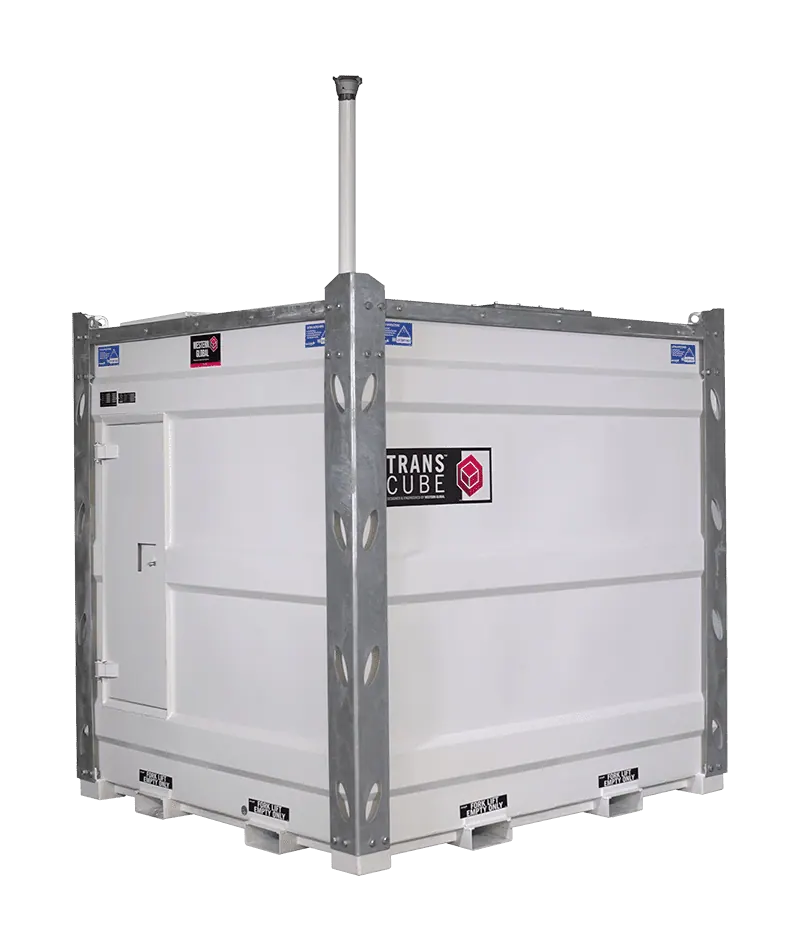 2,300 gallon
Self-bunded diesel tank with integral containment and a lockable equipment cabinet.
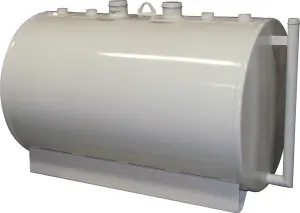 2,500 gallon
Common on multi-machine sites running a full shift pattern.
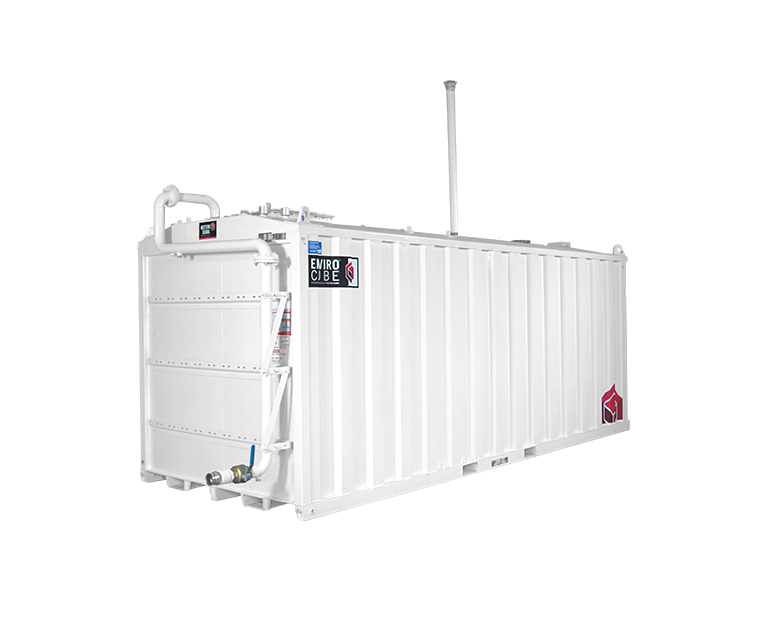 5,000 gallon
Containerised bulk diesel storage. Takes a full transport load in one drop.
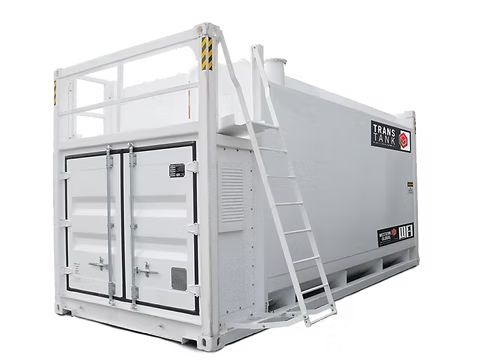 8,000 gallon
Serious on-site capacity for long programmes and fuel farms.
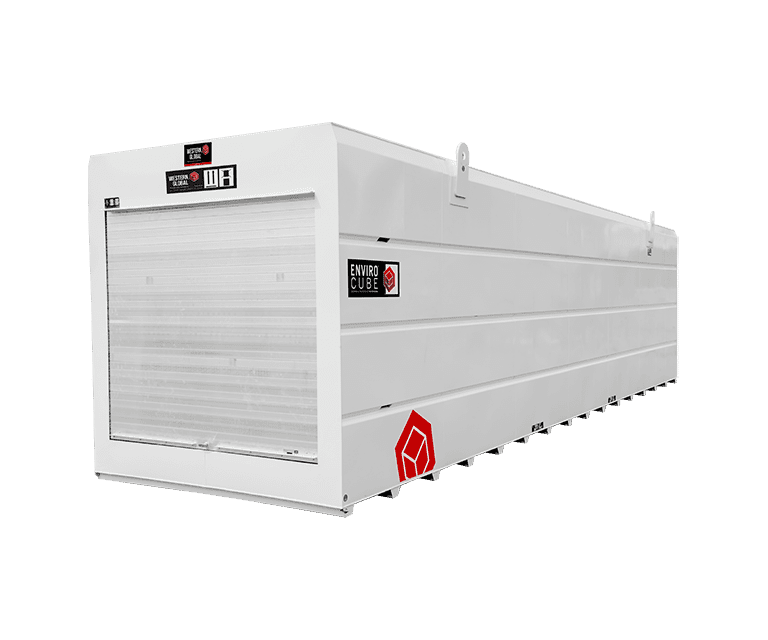 10,000 gallon
Multiple transport loads of buffer — used where supply reliability matters more than footprint.
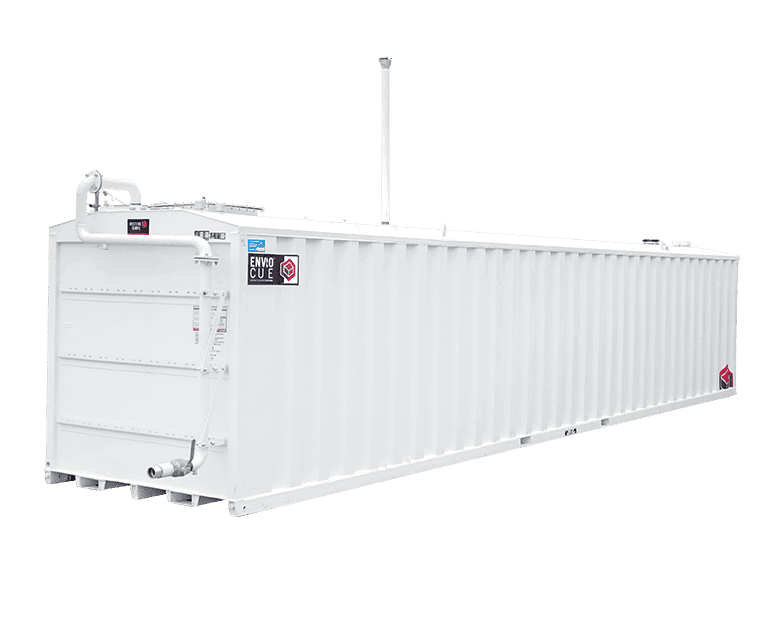 12,000 gallon
Fuel-farm scale, still on a rental agreement rather than a capital purchase.
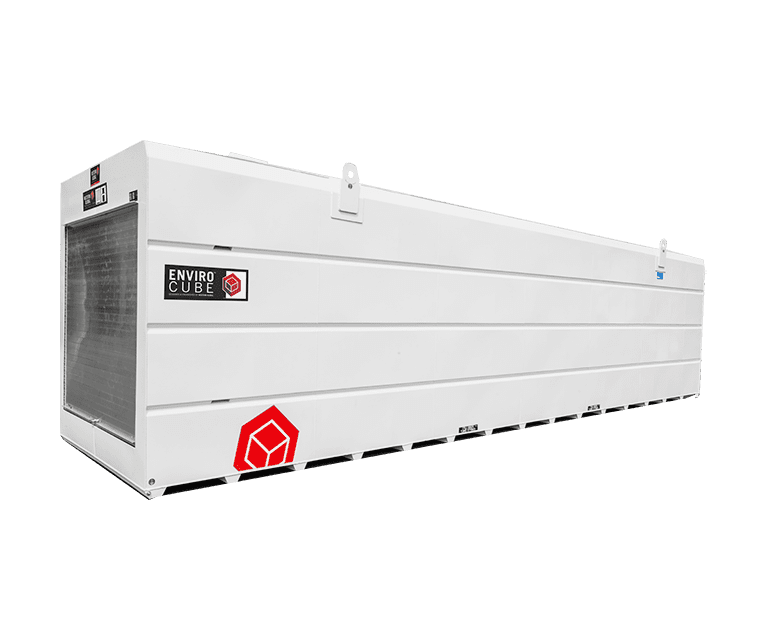 17,000 gallon
The largest unit in the fleet. Multi-site programmes and disaster-response staging.
Fire rated fuel tanks (UL 2085). These carry a two-hour fire rating and are usually what a fire marshal will accept close to occupied buildings, in parking structures or inside a property line where a standard UL 142 tank won't pass. If your AHJ has pushed back on a tank location, this is the answer.
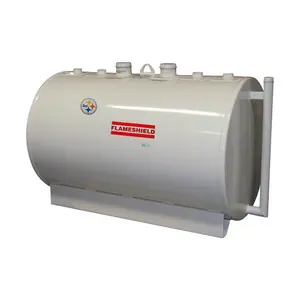 300 gallon
Smallest fire-rated option — for tight sites where clearance rules bite.
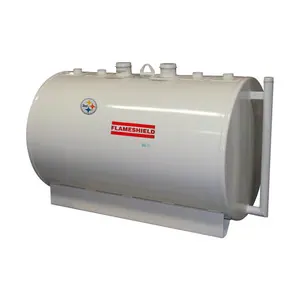 550 gallon
Fire-rated storage sized for a single generator or a small crew.
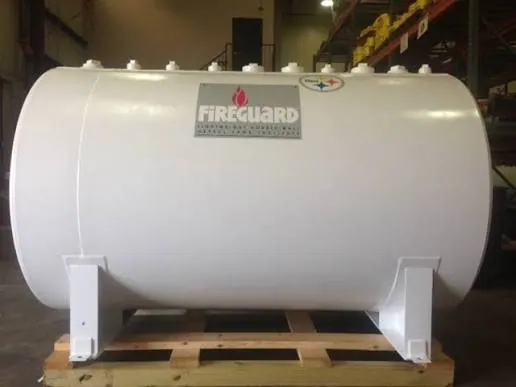 3,000 gallon
Bulk fire-rated storage for occupied-building and campus locations.
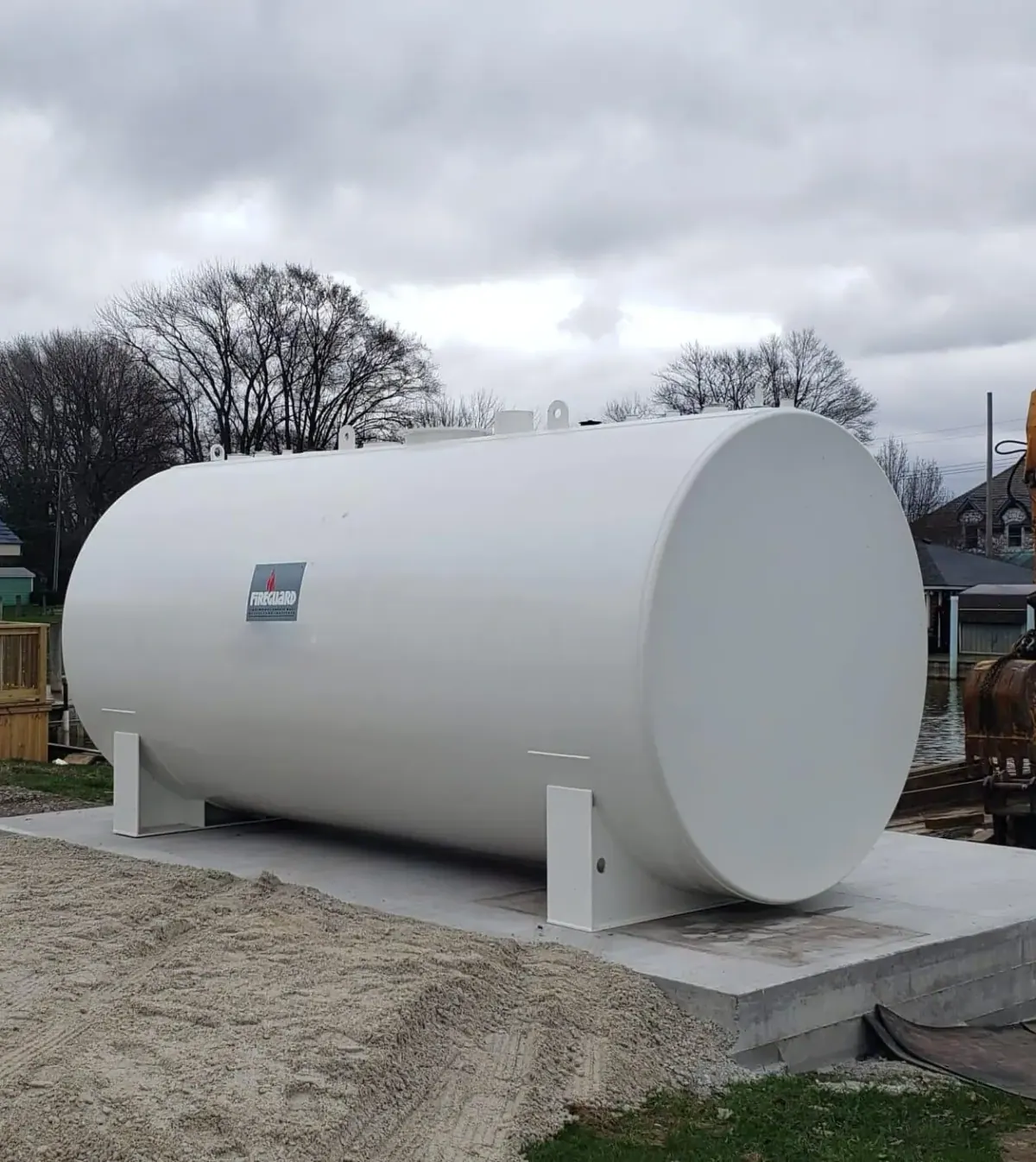 6,000 gallon
Thermally insulated UL 2085 construction — the usual specification for hospitals and data centers.
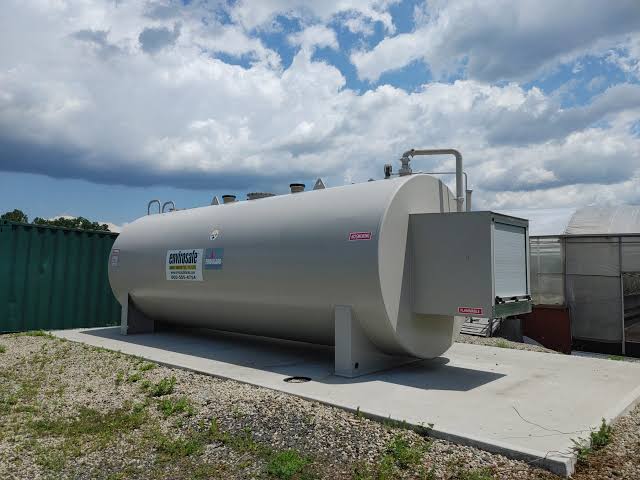 8,000 gallon
Large fire-rated capacity where the tank has to sit near what it protects.
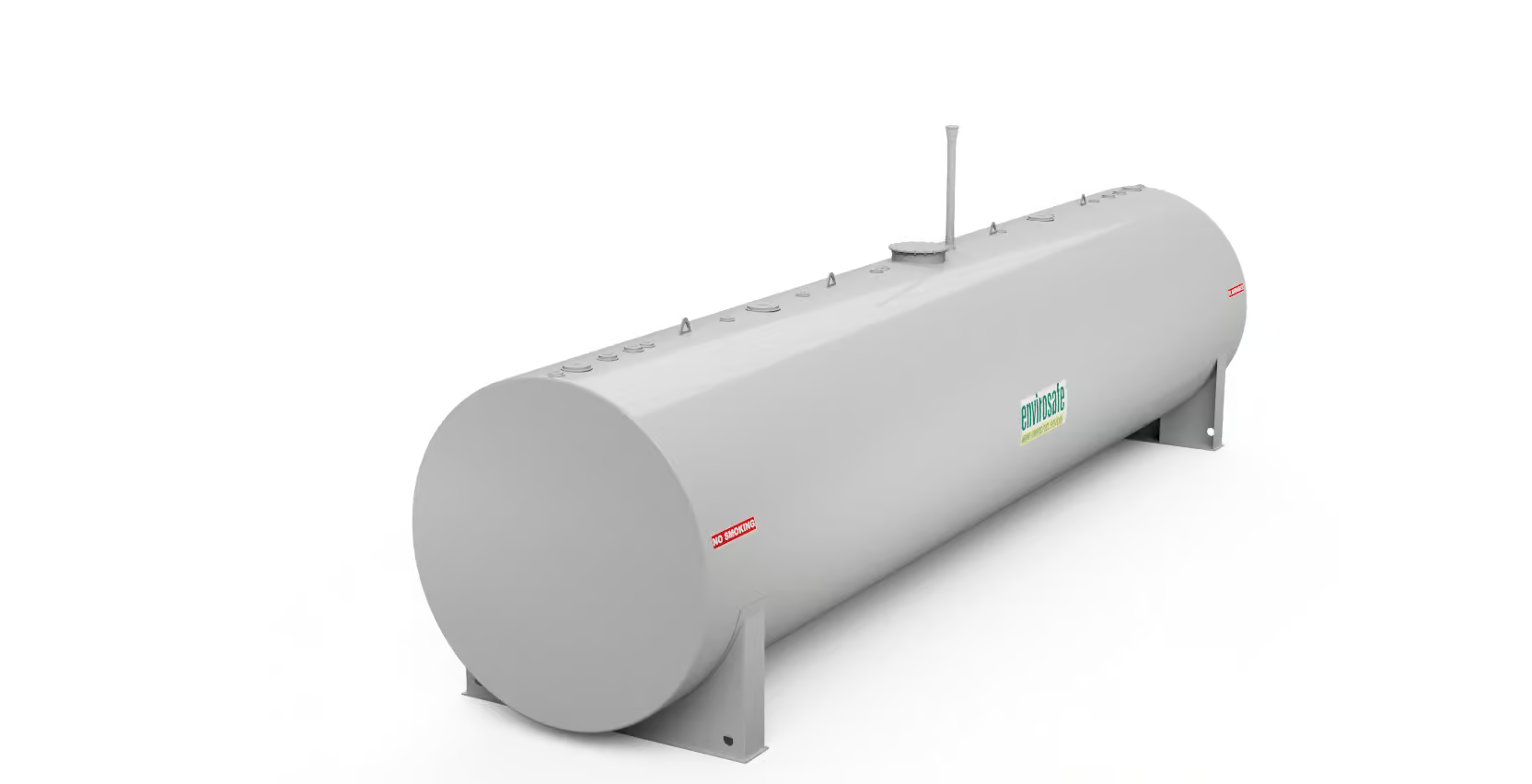 12,000 gallon
Largest fire-rated unit we place — critical-facility fuel reserves.
DEF tanks. Diesel exhaust fluid needs its own storage — stainless or approved-plastic wetted parts, and protection from heat and freezing, because DEF degrades above roughly 86°F and freezes at 12°F. These units keep it in spec and stop crews paying jug prices.
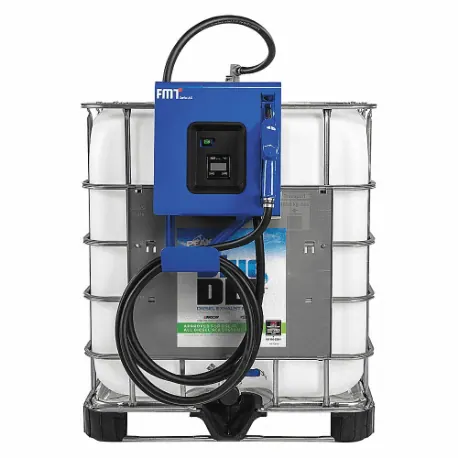 275 gallon
Entry-level bulk DEF storage with a dispensing kit included.
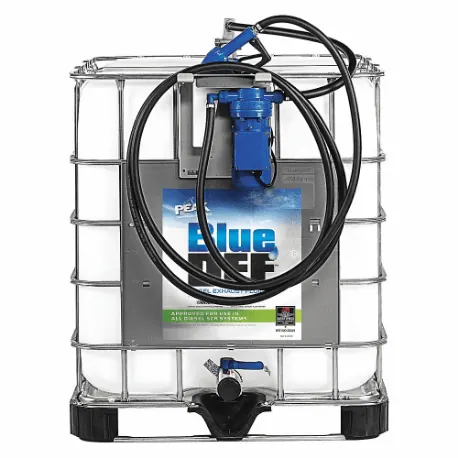 330 gallon
Larger DEF tank for fleets going through it steadily.
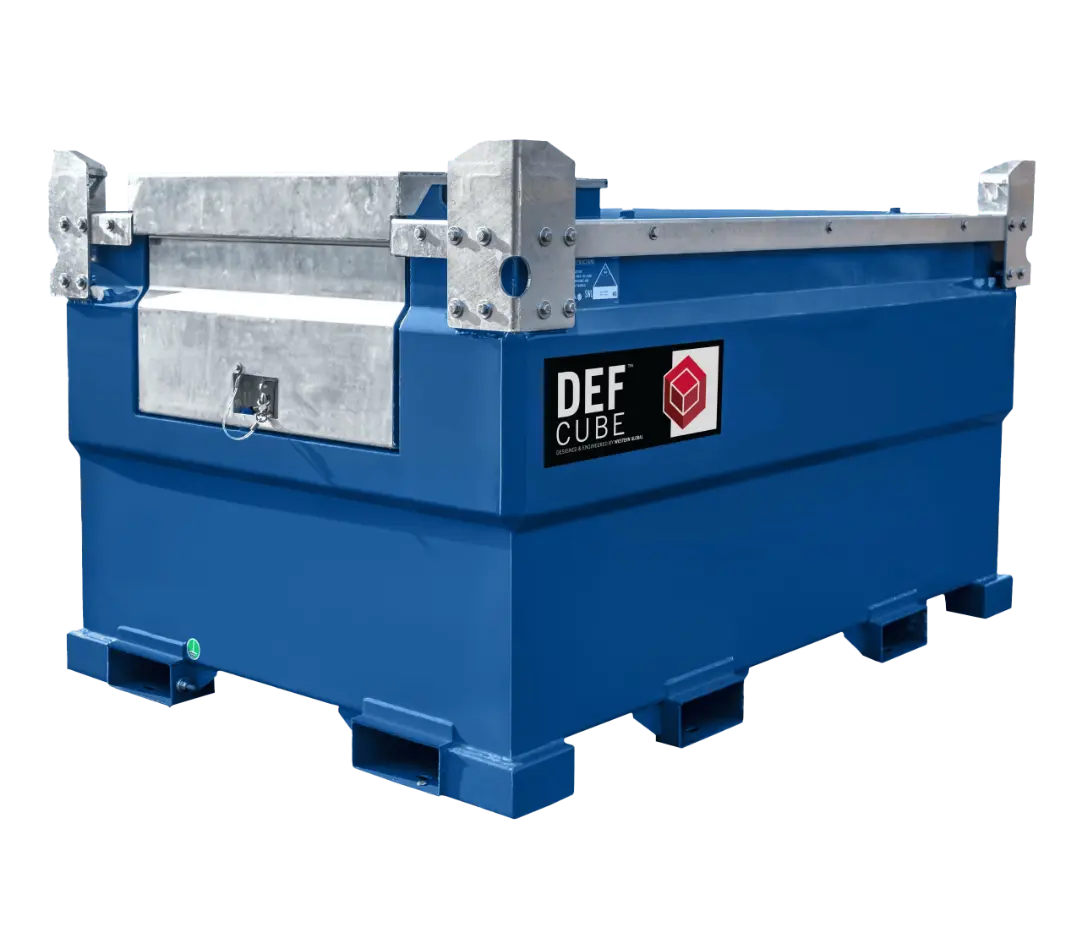 550 gallon
Enclosed DEF storage with a lockable cabinet and heated options.
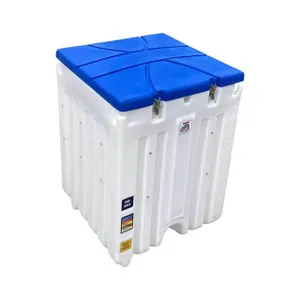 750 gallon
Bulk DEF for mixed fleets — sized so deliveries land with the diesel.
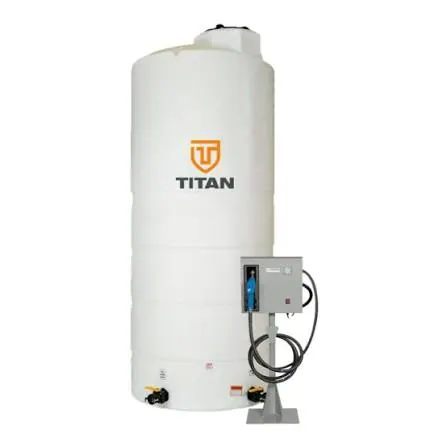 1,000 gallon
Largest DEF unit we rent. For fleets where DEF is a weekly line item.
Towable fuel tanks. DOT-legal diesel and gasoline trailers you can hitch and move between sites — for spread-out work like solar builds, pipelines, road crews and anywhere the equipment doesn't stay put. Fuel goes to the machine rather than the machine coming to the fuel.
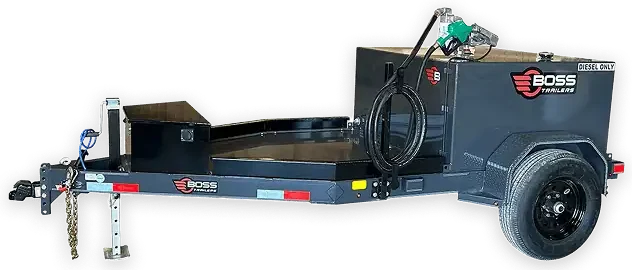 300 gallon
Light, quick to tow, and enough for a small crew working across a spread.
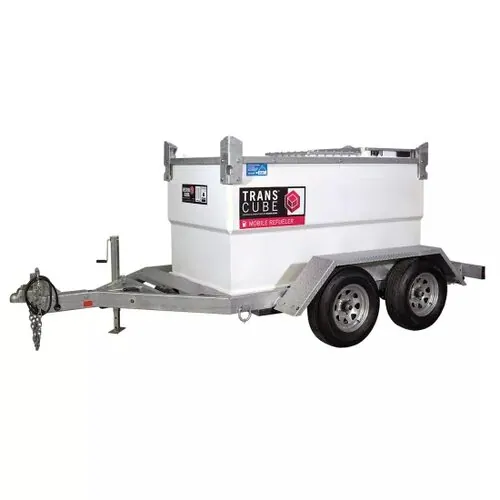 500 gallon
The common mid-size trailer — one tow covers a day of scattered machines.
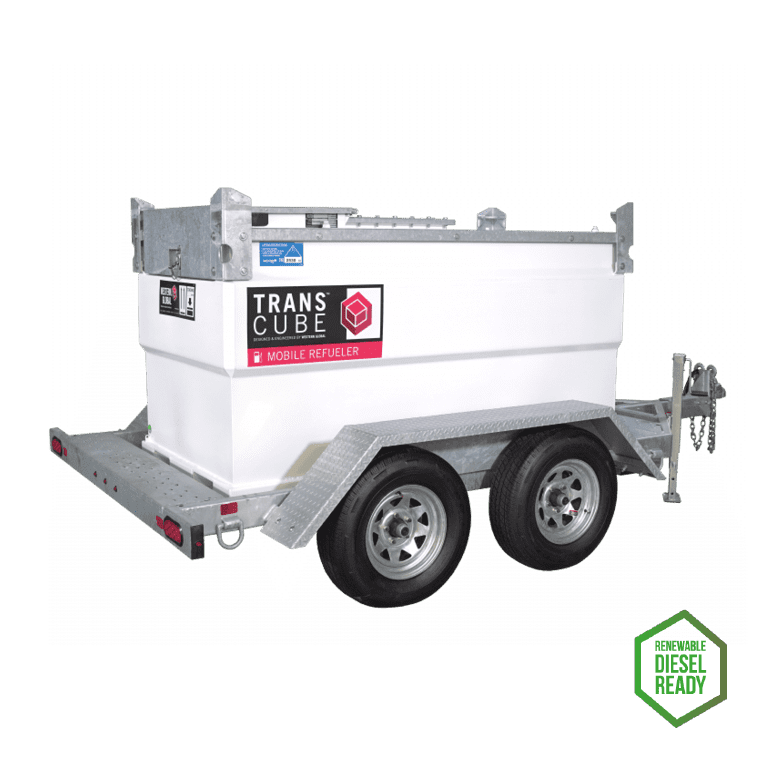 800 gallon
More range between refills for crews covering long linear sites.
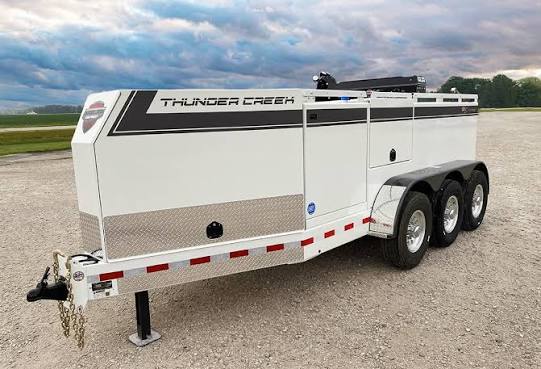 990 gallon
Sized under the 1,000-gallon threshold on purpose — no hazmat CDL endorsement needed to tow it.
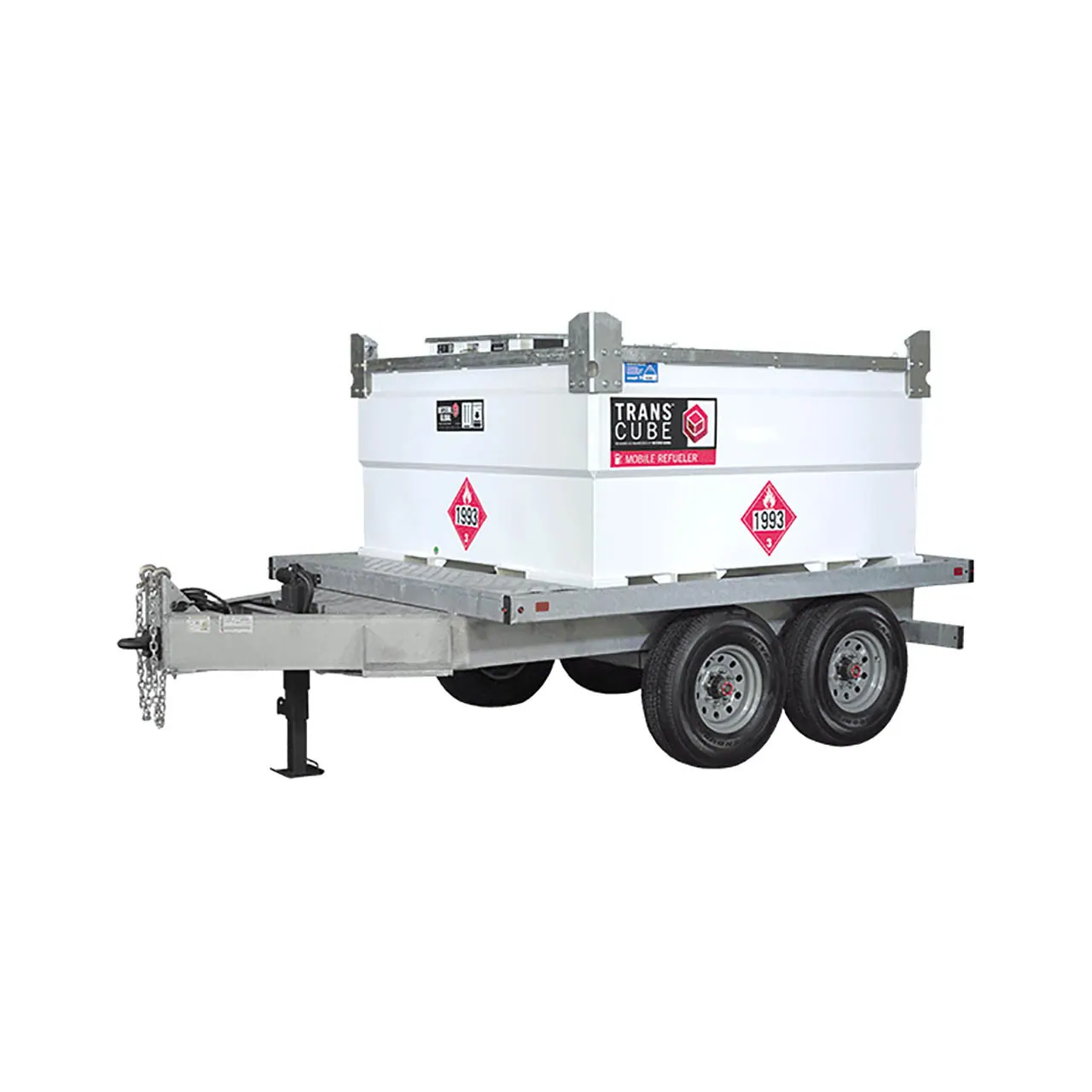 1,000 gallon
Largest towable in the fleet, for spread-out sites that burn serious volume.
Fuel management systems. If you need to know who drew fuel, into which machine, and how much — these bolt onto the tank and log every transaction. Worth it the moment fuel starts disappearing, or when you have to allocate cost by job code.
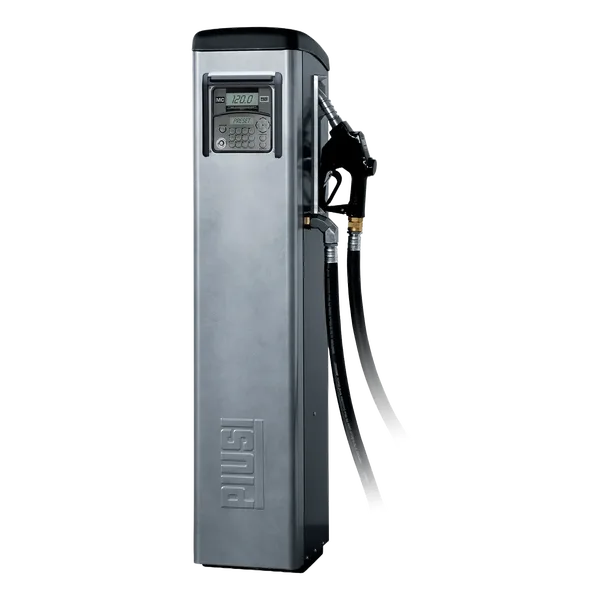 Access control
PIN or key-fob access with per-transaction logging. The straightforward way to stop unrecorded draws.
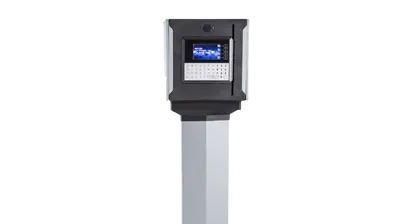 Fleet grade
Commercial dispensing and fleet-card style control for yards where many vehicles fuel daily.
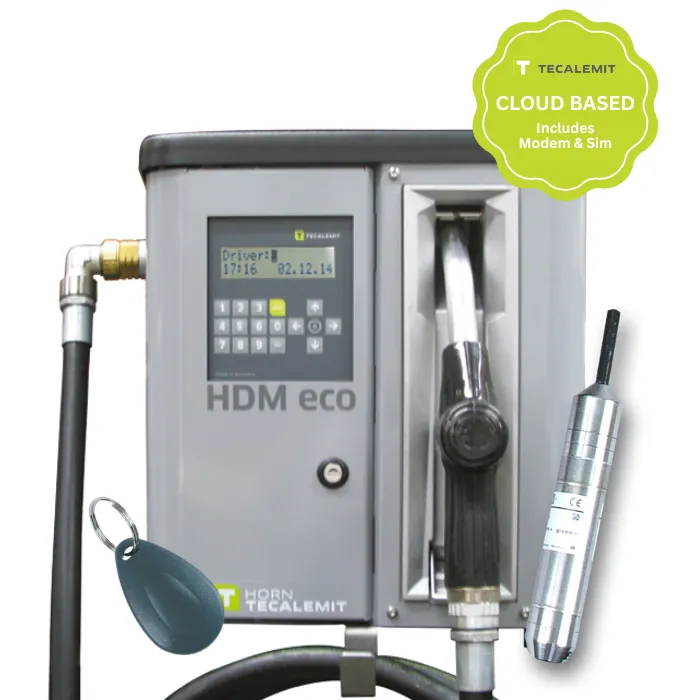 Cloud logging
Cloud-connected metering and reporting, so job-code allocation doesn't rely on a paper log.
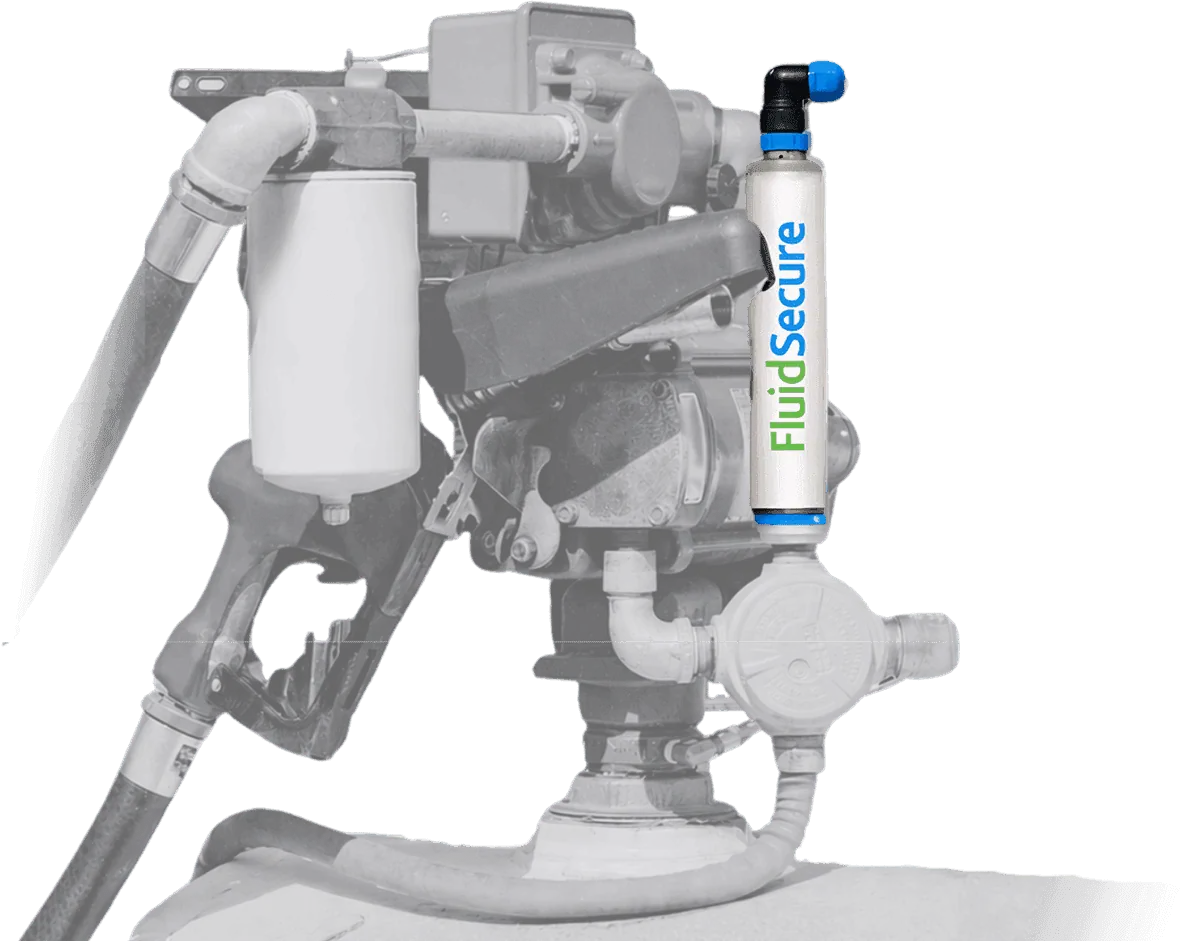 Wireless
Wireless authorisation and automatic tank-level reporting — pairs with our monitoring.
Every capacity in the fleet, smallest to largest. If the size you need isn't listed, call dispatch — we can usually source it or combine units.
Every tank leaves with a dispensing setup that matches the job, mounted in the lockable cabinet. Tell us what you're fuelling and how fast you need it moving.
Not sure which pump suits the job? Describe what you're fuelling on the form and a fuel expert will spec it — that's part of the rental, not an extra.
Most people either over-rent and pay for capacity that sits empty, or under-rent and end up on a delivery schedule that eats their week. Four things decide it.
Plenty of companies will rent you a tank. Far fewer will keep fuel in it, which is the part that actually affects whether your crew works tomorrow.
We're a fuel supplier that rents tanks, not an equipment yard that also sells fuel. One account, one invoice, itemised by site — no coordinating a rental company and a fuel vendor who blame each other.
The tank arrives with the pump fitted, sited level, and filled on the first visit. You don't get a dry tank and a promise.
Add tank monitoring and refills trigger on real consumption. No one climbs the tank with a dipstick, and nobody discovers the problem at 6am.
We size around SPCC thresholds, clearance distances and what your AHJ will accept — before the tank ships, rather than after an inspection.
A three-week fit-out or a two-year build. No pressure to commit to a term that doesn't match the programme.
Multi-state contractors stop juggling a different rental vendor per region. Same tanks, same paperwork, same phone number.
Three things decide whether a tank is allowed where you want to put it. Getting them wrong is the usual reason a tank gets red-tagged after delivery.
The workhorse listing for above-ground fuel storage. Fine for most yards and open sites with adequate clearance, and what nearly all our skid and portable fuel tanks carry.
Adds a two-hour fire rating and thermal insulation. Usually what's required near occupied buildings, in parking structures, or where clearance distances can't be met. These are our fire rated units.
Aggregate more than 1,320 gallons of petroleum on site and federal SPCC rules generally apply — a written plan, secondary containment and inspections. Worth designing around rather than discovering.
Local fire codes and your Authority Having Jurisdiction can be stricter than the federal baseline, and requirements vary by state and city. Tell us the site and what's around it, and we'll flag what's likely to be asked for — though the final call always sits with your AHJ.
What you're fuelling, roughly how much per day, and where the tank can sit.
Tank size, listing, pump and meter — chosen against your burn rate and site constraints.
Set level, pump fitted, filled on the first visit. Monitoring configured if you want it.
Refills on schedule or on consumption, on the same invoice as the rental.
From a 119-gallon portable tank up to a 17,000-gallon bulk tank, including 250, 300, 500, 550, 750, 800, 1,000, 1,500, 1,800, 2,000, 2,300, 2,500, 3,000, 5,000, 6,000, 8,000, 10,000 and 12,000 gallon units. DEF tanks run 275 to 1,000 gallons.
Yes — that's the main reason to rent from a fuel supplier rather than an equipment yard. The tank arrives full and we keep it full on schedule or on consumption, with rental and refills itemised on one invoice.
It depends on size, listing (standard versus fire-rated), rental period, pump configuration and location. Longer terms and larger tanks price better per gallon of capacity. Tell us the job on the form and you'll have a quote within the hour — we don't publish a rate card because the honest answer is always "it depends on the spec".
Often, yes. Storing over 1,320 gallons of petroleum on a site generally brings federal SPCC obligations, and local fire codes may require permits, clearances or a fire-rated tank regardless of volume. We size and specify with those thresholds in mind, but the final determination sits with your local Authority Having Jurisdiction.
UL 142 is the standard listing for above-ground double-wall fuel tanks. UL 2085 adds a two-hour fire rating and thermal insulation, which is typically required near occupied buildings or where clearance distances can't be met. Our fire rated tanks are the UL 2085 options.
Yes. Day tanks and auxiliary tanks plumb into the generator's own tank so the set never sees an interruption, and they turn daily top-offs into fewer, larger drops. See generator fuel delivery.
Yes — 275, 330, 550, 750 and 1,000 gallon DEF tanks, with DEF-compatible pumps and heated options for cold climates. DEF and diesel can be delivered on the same visit. See bulk DEF delivery.
Often within a few days, and sometimes same-week for common sizes, depending on your location and what's available in the nearest yard. Fire-rated and very large units usually need more lead time. Call 800-720-4546 and dispatch will tell you honestly.
Portable and towable fuel tanks are designed to move — forklift pockets or a hitch. Skid and containerised units can be relocated but need equipment and notice, so tell us up front if the tank will follow the work.
Quotes in the same hour. Rental and fuel on one invoice.